
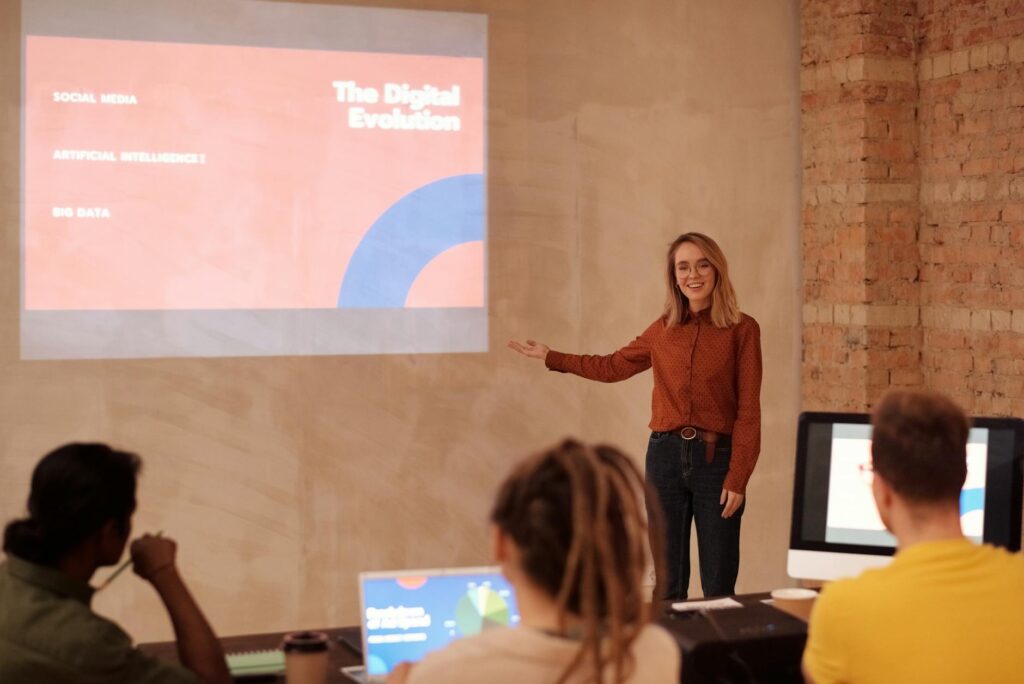
Decoding the Future of Work: Navigating AI Trends and Tools in Today’s Job Market
Estimated reading time: 12-15 minutes
Key Takeaways
- The employment landscape is undergoing a monumental transformation driven by AI, reshaping jobs and creating new opportunities across all industries.
- Success in the AI-powered era demands a blend of technical skills (e.g., Python, ML frameworks, automation tools) and crucial soft skills (e.g., critical thinking, adaptability, creativity, ethical reasoning).
- Job seekers must adopt strategic approaches to find AI roles, craft compelling resumes highlighting projects and specific skills, and prepare thoroughly for technical and behavioral interviews.
- Employers need to proactively attract qualified AI talent, invest in reskilling and upskilling their existing workforce, and leverage AI within HR to optimize recruitment and operational processes.
- AITechScope specializes in implementing AI-powered automation and virtual assistant services, helping businesses navigate these changes and build an AI-ready organization.
Table of Contents
- AI Trends and Tools: Reshaping the Global Workforce
- The New Frontier of Job Opportunities: What’s Hot in AI-Driven Roles
- In-Demand Skills for the AI-Powered Era
- Navigating the AI Job Market: Practical Advice for Job Seekers
- Building an AI-Ready Workforce: Strategies for Employers & HR Teams
- Regional Differences & Industry Spotlights
- AITechScope: Your Partner in Navigating the AI Evolution
- Conclusion: Embrace the AI Revolution
- FAQ Section
The employment landscape is undergoing a monumental transformation, driven by the relentless march of technological innovation, particularly in artificial intelligence. From the advent of sophisticated machine learning algorithms to the widespread adoption of automation, AI trends and tools are not just changing how businesses operate; they are fundamentally reshaping the very fabric of the global job market. For job seekers, this presents a thrilling, albeit complex, new frontier of opportunity. For employers, it’s a call to strategically adapt, innovate, and cultivate the workforce of tomorrow. At AITechScope, we specialize in leveraging cutting-edge AI to optimize business processes, and we’re here to help you understand the profound impact these shifts are having on careers and talent acquisition across all industries.
This comprehensive guide will delve into the most impactful AI trends and tools currently influencing employment. We’ll explore the new job opportunities emerging, the skills becoming indispensable, and offer practical strategies for both individuals seeking to thrive in this evolving environment and organizations aiming to build an AI-ready workforce. Our goal is to serve as your trusted compass, providing clear, actionable insights to navigate the dynamic interplay between AI innovation and professional growth.
AI Trends and Tools: Reshaping the Global Workforce
The narrative around AI’s impact on jobs often oscillates between fear of displacement and excitement over new possibilities. The reality is far more nuanced. AI is not just automating repetitive tasks; it’s augmenting human capabilities, creating entirely new categories of jobs, and redefining existing roles. Understanding these shifts is crucial for anyone involved in the employment ecosystem.
One of the most significant AI trends and tools is the proliferation of generative AI, exemplified by large language models (LLMs) and advanced image generation. These tools are democratizing content creation, data analysis, and even software development, leading to roles like “Prompt Engineer” becoming surprisingly in-demand. Beyond generative AI, the continuous refinement of machine learning algorithms is enhancing predictive analytics across sectors, from finance to healthcare, creating a demand for specialists who can build, deploy, and manage these intelligent systems.
Automation, powered by AI, continues to be a major disruptor and innovator. Robotic Process Automation (RPA), combined with intelligent process automation (IPA), is streamlining operations, not just in manufacturing, but also in back-office functions like accounting, HR, and customer service. This is where AITechScope truly shines, providing virtual assistant services and n8n workflow development to help businesses leverage AI-powered automation for significant operational efficiency and cost reduction. Our work directly contributes to the demand for professionals who can design, implement, and maintain these sophisticated automated workflows.
Data science and analytics, while not new fields, are experiencing a renaissance as AI makes it possible to process and derive insights from unprecedented volumes of data. The ability to harness this data to inform strategic decisions is paramount, driving demand for experts who can speak the language of both business and AI. Furthermore, the ethical implications of AI development and deployment are giving rise to an entirely new class of roles focused on AI governance, fairness, transparency, and accountability.
These profound shifts necessitate a deeper understanding of where the new opportunities lie and what skills will be paramount for success.
The New Frontier of Job Opportunities: What’s Hot in AI-Driven Roles
As AI trends and tools become more integrated into business operations, a host of new and evolving job opportunities are emerging. These roles span a wide spectrum, from highly technical development positions to strategic roles that require an understanding of AI’s broader implications.
AI/Machine Learning Engineers:
These professionals are at the forefront of designing, building, and deploying AI models. They work with complex algorithms, data pipelines, and machine learning frameworks (like TensorFlow or PyTorch) to create the intelligent systems that power various applications, from recommendation engines to autonomous vehicles.
Data Scientists and Analysts:
With AI’s ability to process vast datasets, the need for individuals who can extract meaningful insights and drive data-informed decisions has never been greater. Data scientists formulate questions, collect and clean data, develop models, and interpret results to guide business strategy.
Prompt Engineers/AI Interaction Designers:
An increasingly vital role, prompt engineers specialize in crafting effective prompts for generative AI models to achieve desired outputs. They bridge the gap between human intent and AI understanding, essentially learning to “speak AI’s language” to maximize its utility. This role highlights the human-in-the-loop nature of many AI applications.
AI Ethicists and Governance Specialists:
As AI systems become more powerful, ensuring their ethical and responsible deployment is crucial. These professionals focus on developing guidelines, policies, and frameworks to prevent bias, ensure transparency, and manage the societal impact of AI.
Automation Specialists/Robotics Engineers:
With AITechScope’s focus on AI-powered automation and n8n workflow development, these roles are central. Automation specialists design, implement, and optimize automated systems, helping businesses like our clients streamline operations and reduce manual workload. This includes working with RPA, intelligent automation platforms, and integrating various software systems.
AI Product Managers:
These individuals combine technical AI knowledge with strong business acumen to define, develop, and launch AI-powered products. They understand customer needs, market trends, and the technical feasibility of AI solutions.
AI Trainers/Annotators:
While often entry-level, these roles are critical for training and fine-tuning AI models. They involve labeling data, providing feedback, and helping AI learn from human input.
AI-Augmented Professionals:
Beyond purely AI-focused roles, we see traditional professions being augmented by AI. Marketers are becoming “AI-powered marketers,” leveraging tools for content generation and campaign optimization. HR professionals are using AI for talent acquisition and employee engagement. Customer service representatives are working alongside AI virtual assistants to handle complex queries. AITechScope’s virtual assistant services directly contribute to empowering these augmented roles by providing the AI tools necessary for enhanced performance.
These roles illustrate that the future of work is not about humans versus machines, but rather humans with machines, leading to new forms of collaboration and specialization.
In-Demand Skills for the AI-Powered Era
To thrive amidst these AI trends and tools, both job seekers and existing professionals must cultivate a blend of technical expertise and adaptable soft skills.
Technical Skills: The Foundation of AI Competence
- Programming Languages: Python remains the undisputed king for AI and machine learning, with R also popular for statistical analysis. Familiarity with Java, C++, and JavaScript can also be beneficial for specific applications.
- Machine Learning Frameworks: Proficiency in libraries and frameworks like TensorFlow, PyTorch, Scikit-learn, and Keras is essential for developing and deploying AI models.
- Data Management & Analysis: SQL for database querying, big data technologies (e.g., Hadoop, Spark), and cloud platforms (AWS, Azure, GCP) are crucial for handling the vast datasets AI relies on.
- Natural Language Processing (NLP) & Computer Vision: Specialized skills in these areas are highly valued for developing conversational AI, text analytics, image recognition, and video analysis applications.
- Automation & Workflow Tools: Expertise in Robotic Process Automation (RPA) tools and workflow automation platforms like n8n (a key area of AITechScope’s specialization) is increasingly sought after as businesses look to integrate AI into their operational processes.
- Cloud Computing: Most AI development and deployment now happen in the cloud, making knowledge of cloud services and architecture critical.
Soft Skills: The Human Edge in an AI World
While technical skills open doors, soft skills are what truly enable individuals to innovate and lead in an AI-driven environment.
- Critical Thinking & Problem-Solving: The ability to dissect complex problems, identify opportunities for AI application, and troubleshoot AI systems is paramount.
- Adaptability & Continuous Learning: The AI landscape evolves rapidly. Professionals must be eager and capable of constantly learning new technologies, algorithms, and methodologies.
- Creativity & Innovation: AI provides powerful tools, but human creativity is still needed to envision novel applications and solutions that AI can power. This includes prompt engineering, where creative thinking is essential to guide generative AI effectively.
- Ethical Reasoning & Responsibility: Understanding the ethical implications of AI, recognizing potential biases, and advocating for responsible AI development and deployment is increasingly important.
- Collaboration & Communication: Working in AI often involves interdisciplinary teams. The ability to communicate complex technical concepts to non-technical stakeholders and collaborate effectively is vital.
- Curiosity & Experimentation: A genuine desire to explore, experiment, and push the boundaries of what AI can achieve.
Navigating the AI Job Market: Practical Advice for Job Seekers
For job seekers eyeing opportunities in the wake of burgeoning AI trends and tools, a strategic approach is key.
How to Find Relevant AI Job Postings
- Leverage Keyword Searches: Use specific terms like “AI Engineer,” “Machine Learning Scientist,” “Data Ethicist,” “Prompt Engineer,” “Automation Specialist,” “n8n Developer,” or “Virtual Assistant Specialist” on major job boards (Indeed, ZipRecruiter, LinkedIn Jobs).
- Explore Niche Platforms: Look for AI-specific job boards or communities where companies focused on AI, machine learning, and automation post openings.
- Network Actively: Connect with professionals in AI, attend industry meetups (virtual or in-person), and engage on platforms like LinkedIn. Many opportunities are found through referrals.
- Follow Industry Leaders & Companies: Keep an eye on companies that are innovators in AI and automation, including specialized virtual assistant providers like AITechScope, as they are often at the forefront of hiring for these roles.
- Set Up Job Alerts: Create alerts for your target roles and keywords to receive daily updates on new postings.
Crafting a Strong Resume for AI Roles
Your resume is your first impression. For AI roles, it needs to demonstrate both technical prowess and strategic thinking.
- Quantify Your Achievements: Instead of saying “worked with AI models,” state “Developed a machine learning model that improved prediction accuracy by 15%.”
- Highlight Relevant Projects: Include personal projects, open-source contributions, hackathon wins, or academic research related to AI, machine learning, or automation. Provide links to your GitHub or portfolio.
- Showcase Specific Skills: List the programming languages, frameworks, tools (like n8n), and cloud platforms you are proficient in. Be specific about your experience with AI concepts (e.g., “trained neural networks,” “implemented NLP algorithms”).
- Tailor to Each Role: Customize your resume for each application, using keywords from the job description to pass Applicant Tracking Systems (ATS) and resonate with hiring managers.
- Emphasize Continuous Learning: Mention relevant certifications, online courses, or degrees that demonstrate your commitment to staying current with AI trends and tools.
Preparing for Job Interviews in the AI Space
AI interviews often combine technical challenges with behavioral questions.
- Brush Up on Fundamentals: Be ready to discuss core AI/ML concepts, algorithms, data structures, and statistical principles.
- Practice Coding Challenges: Many AI roles include live coding or take-home assignments. Practice on platforms like LeetCode or HackerRank, focusing on problem-solving with Python.
- Prepare for Case Studies: You might be asked to solve a business problem using AI. Think about data considerations, model selection, ethical implications, and deployment strategies.
- Showcase Your Projects: Be ready to walk through your projects in detail, explaining your choices, challenges, and learnings.
- Demonstrate Soft Skills: Emphasize your ability to adapt, solve problems creatively, collaborate, and communicate effectively. Discuss your views on AI ethics and responsible development.
- Research the Company and Role: Understand their products, services (e.g., AITechScope’s virtual assistant solutions), and how AI is integrated. Ask insightful questions that show your genuine interest and understanding of the role’s context.
Building an AI-Ready Workforce: Strategies for Employers & HR Teams
The rapid pace of AI trends and tools also presents unique challenges and opportunities for employers and HR teams. Attracting, retaining, and developing talent capable of leveraging AI is paramount for future success.
How Employers Can Attract Qualified AI Applicants
- Craft Compelling Job Postings: Clearly articulate the role’s impact, the technologies used, and the company’s vision for AI. Avoid jargon where possible, but be specific about technical requirements. Highlight opportunities for growth and continuous learning.
- Showcase Your Innovation: Emphasize how your company is using AI, the interesting problems candidates will solve, and the culture of innovation. Feature your existing AI projects or partnerships (e.g., working with AI automation experts like AITechScope).
- Offer Competitive Compensation & Benefits: AI talent is in high demand, requiring attractive packages that go beyond salary, including professional development, flexible work arrangements, and opportunities to work on cutting-edge projects.
- Build a Strong Employer Brand: Highlight your commitment to diversity, inclusion, and ethical AI development. Share success stories of your AI teams.
- Engage with AI Communities: Participate in AI conferences, hackathons, and open-source projects to build relationships with potential candidates.
Reskilling & Upskilling Your Existing Workforce
Not every AI role needs to be filled by external hires. Investing in your current employees is a powerful strategy.
- Identify AI-Adjacent Roles: Pinpoint employees whose skills can be augmented or transitioned into AI-focused roles with targeted training.
- Offer AI Training Programs: Provide access to online courses, certifications, workshops, and mentorship programs that cover core AI concepts, specific tools, and programming languages.
- Foster an AI-Literate Culture: Encourage all employees, regardless of role, to understand the basics of AI, its applications, and its implications. This demystifies AI and prepares the entire organization for its impact.
- Internal Mobility Programs: Create clear pathways for employees to move into new AI roles within the company, demonstrating a commitment to their career growth.
Leveraging AI in Recruitment and HR
Ironically, AI can also significantly enhance HR and recruitment processes.
- AI-Powered Sourcing & Screening: Use AI tools to identify qualified candidates from large applicant pools, analyze resumes for relevant keywords, and even predict candidate success.
- Chatbots for Candidate Engagement: Deploy AI chatbots to answer common candidate questions, provide information about the company, and streamline the application process.
- Predictive Analytics for Talent Acquisition: Utilize AI to analyze historical data and predict future talent needs, identify potential flight risks, and optimize recruitment strategies.
- Optimizing HR Workflows with Automation: AITechScope’s expertise in AI-powered automation and n8n workflow development is particularly relevant here. HR teams can leverage our solutions to automate routine tasks like onboarding paperwork, benefits administration, and query handling, freeing up HR professionals to focus on strategic initiatives like talent development and employee experience.
Regional Differences & Industry Spotlights
While AI is a global phenomenon, its adoption and the resulting job market impacts can vary regionally and across industries. Tech hubs like Silicon Valley, Seattle, London, and Bangalore continue to lead in AI innovation and hiring. However, as AI becomes more pervasive, demand is spreading.
- Technology: Unsurprisingly, the tech sector remains the primary incubator for AI roles, constantly pushing the boundaries of machine learning, NLP, and computer vision.
- Healthcare: AI is transforming diagnostics, drug discovery, personalized medicine, and administrative efficiency. Roles here include AI-powered medical imaging specialists, bioinformatics engineers, and virtual care assistant developers.
- Finance: AI is crucial for fraud detection, algorithmic trading, risk assessment, and personalized financial advice. This drives demand for data scientists, quantitative analysts, and compliance officers with AI expertise.
- Manufacturing & Logistics: AI-driven automation, predictive maintenance, and supply chain optimization are creating roles for robotics engineers, automation specialists (often using tools like n8n for integration), and industrial AI engineers.
- Retail & E-commerce: Personalization, inventory management, customer service chatbots, and demand forecasting are all powered by AI, leading to roles in AI marketing, customer analytics, and virtual assistant management.
AITechScope’s specialization in AI-powered automation and virtual assistant services finds broad applicability across these industries. For instance, our n8n workflow development can automate complex data processing in healthcare, streamline financial reporting, and optimize customer service interactions in retail, thereby directly influencing the skill sets and roles in demand within these sectors.
AITechScope: Your Partner in Navigating the AI Evolution
At AITechScope, we believe that understanding and leveraging AI trends and tools is not just about staying competitive—it’s about defining the future of work. Our mission is to help businesses harness the power of AI to achieve unprecedented levels of efficiency, innovation, and growth through intelligent delegation and automation solutions.
We don’t just talk about AI; we implement it. Our expertise in virtual assistant services, AI-powered automation, and n8n workflow development directly addresses many of the emerging skill demands and job opportunities we’ve discussed. By working with AITechScope, businesses can:
- Scale Operations: Automate repetitive tasks, freeing human capital for strategic work.
- Reduce Costs: Optimize processes with AI-driven efficiency.
- Improve Efficiency: Implement smart workflows that connect systems and data seamlessly.
- Stay Ahead of the Curve: Gain insights into the latest AI advancements and how they can be applied to your unique business challenges.
Our insights into the application of AI trends and tools are derived from practical experience in developing and deploying these solutions daily. We are not just observers of the employment landscape; we are active participants, helping to shape the roles and skills that will define the next generation of the workforce.
Conclusion: Embrace the AI Revolution
The impact of AI trends and tools on the job market is undeniable and irreversible. It’s a period of unprecedented change, but also one of immense opportunity. For job seekers, this means a chance to acquire high-demand skills and forge new career paths in exciting, innovative fields. For employers, it’s an imperative to strategically invest in AI, optimize their workforce, and cultivate a culture of adaptability and continuous learning.
By understanding these dynamics and embracing the transformative power of AI, both individuals and organizations can not only survive but truly thrive in this new era. The future of work is not coming; it is already here, and it is powered by artificial intelligence.
Ready to explore the opportunities or optimize your business with AI?
- For Job Seekers: Don’t miss out on the next big career move. Explore AI-related job listings across various industries and leverage our insights to refine your resume and interview skills. Subscribe to our updates for the latest job market analysis and skill recommendations to stay ahead of the curve!
- For Employers & HR Teams: Attract top AI talent and streamline your operations. Learn more about AITechScope’s virtual assistant services, AI-powered automation, and n8n workflow development to empower your workforce and optimize your business processes. Contact us today to discuss how we can help you post your next AI-centric job or build an AI-ready organization.
FAQ Section
Q: How is AI transforming the global job market?
A: AI is fundamentally reshaping the job market by automating repetitive tasks, augmenting human capabilities, creating entirely new job categories (like Prompt Engineers), and redefining existing roles across all industries. This necessitates a workforce that is adaptable and continuously learning.
Q: What key skills are most in-demand for the AI-powered era?
A: In-demand skills include a combination of technical expertise (e.g., Python, machine learning frameworks like TensorFlow/PyTorch, data management, NLP, computer vision, automation tools like n8n, cloud computing) and crucial soft skills (e.g., critical thinking, adaptability, creativity, ethical reasoning, collaboration, communication).
Q: What are some emerging job opportunities in the AI field?
A: New opportunities include AI/Machine Learning Engineers, Data Scientists and Analysts, Prompt Engineers/AI Interaction Designers, AI Ethicists, Automation Specialists, AI Product Managers, AI Trainers/Annotators, and AI-Augmented Professionals who leverage AI tools in traditional roles.
Q: How can employers attract and develop an AI-ready workforce?
A: Employers can attract talent by crafting compelling job postings, showcasing innovation, offering competitive compensation, and building a strong employer brand. For development, strategies include reskilling and upskilling existing employees through training programs, fostering an AI-literate culture, and promoting internal mobility.
Q: How can AITechScope assist businesses in navigating AI evolution?
A: AITechScope specializes in AI-powered automation and virtual assistant services, including n8n workflow development. They help businesses scale operations, reduce costs, improve efficiency, and gain insights into the latest AI advancements, enabling them to effectively integrate AI solutions and optimize processes.