
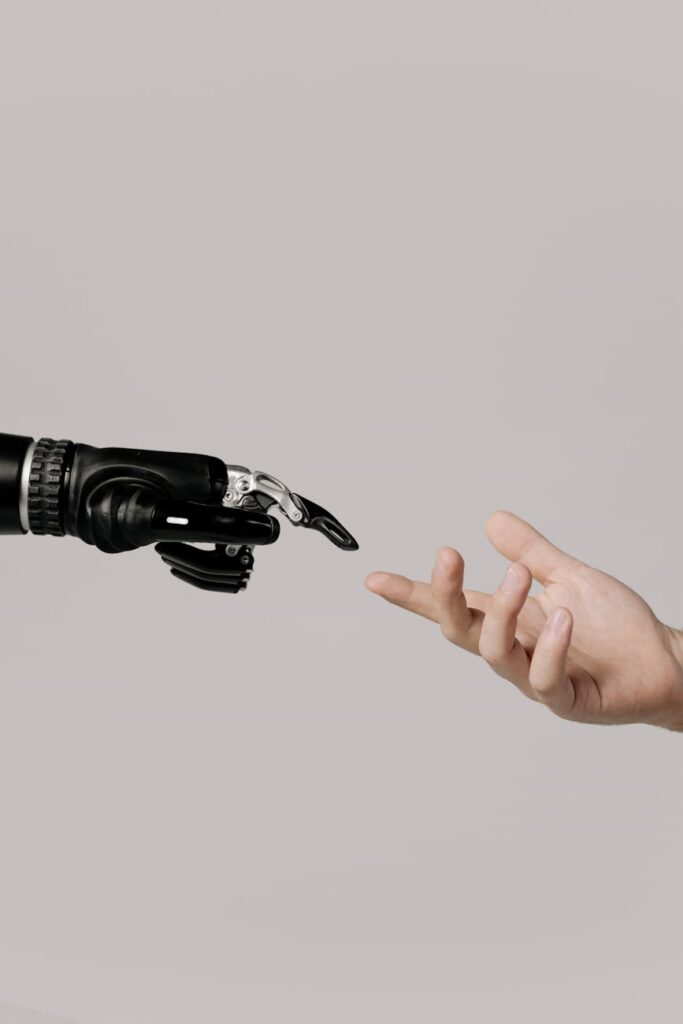
Navigating the AI Frontier: Understanding Key AI Trends and Tools Shaping Today’s Job Market
Estimated reading time: 13 minutes
Key Takeaways
- The job market is rapidly transforming due to AI, necessitating upskilling and strategic adaptation for both job seekers and employers.
- Generative AI, hyper-automation, specialized AI models, AI ethics, and low-code/no-code AI are the leading trends influencing new job creation and roles across diverse industries.
- Success in the AI age requires a blend of technical skills (ML, NLP, Python, data science, automation platforms like n8n) and crucial soft skills (critical thinking, adaptability, creativity, ethical reasoning, domain expertise).
- Job seekers must optimize their search strategies and resumes with AI-specific keywords, while employers need clear job postings, AI-powered recruitment, and attractive employer branding.
- AITechScope specializes in AI-powered automation and n8n workflow development, offering insights and solutions to navigate the evolving AI ecosystem for businesses and professionals.
Table of Contents
- The Seismic Shift: Understanding Current AI Trends and Tools in the Job Market
- The AI Revolution: Driving New Job Opportunities Across Industries
- In-Demand Skills for the AI Age: Bridging the Human-Machine Gap
- Navigating the Job Market: Practical Advice for Job Seekers
- Attracting Top Talent: Insights for Employers, HR, and Recruitment Agencies
- High-Interest Roles and Future Outlook
- AITechScope: Your Partner in the AI Trends and Tools Ecosystem
- Embrace the Future: Act Now!
- Ready to revolutionize your career or business with AI?
- FAQ About AI Trends and Tools
The landscape of work is undergoing a profound transformation, driven by the relentless march of artificial intelligence. From automating routine tasks to powering complex decision-making, AI trends and tools are not just buzzwords; they are the architects of a new employment paradigm, reshaping industries and creating entirely new categories of jobs. As a specialist in job listings, employment trends, and new job opportunities, we at AITechScope are uniquely positioned to analyze these shifts, guiding job seekers toward promising careers and equipping employers with the insights needed to attract the talent of tomorrow.
In this comprehensive guide, we’ll delve into the most impactful AI trends, explore the burgeoning ecosystem of AI tools, and provide actionable strategies for everyone navigating this exciting, yet rapidly evolving, professional frontier. Whether you’re a seasoned professional looking to upskill, a new graduate eyeing a career in tech, an HR manager striving to build an agile workforce, or an employer seeking to leverage AI for business growth, understanding these dynamics is paramount. We believe that by providing clear, data-driven insights, we can empower you to thrive in the AI-powered economy.
The Seismic Shift: Understanding Current AI Trends and Tools in the Job Market
The current era of AI is characterized by several key developments, each with significant implications for employment:
- Generative AI’s Explosion: Tools like OpenAI’s ChatGPT, DALL-E, and Midjourney have captivated the public imagination, demonstrating AI’s ability to create text, images, code, and even music. This trend is not just about novelty; it’s about augmenting human creativity and automating content generation across various sectors, from marketing and customer service to software development and design.
- Hyper-Automation and Intelligent Process Automation (IPA): Businesses are increasingly adopting AI-driven automation to streamline workflows, reduce operational costs, and boost efficiency. This includes Robotic Process Automation (RPA) enhanced with machine learning (ML) and natural language processing (NLP) to handle more complex, cognitive tasks. Platforms like n8n, which AITechScope specializes in, are central to building these sophisticated automated workflows.
- The Rise of Specialized AI Models: Beyond general-purpose AI, we’re seeing the proliferation of highly specialized AI models tailored for specific industry needs—think AI in drug discovery, predictive maintenance in manufacturing, or fraud detection in finance. This specialization drives demand for professionals with domain-specific AI expertise.
- AI Ethics and Governance: As AI becomes more pervasive, the imperative for ethical AI development and deployment grows. Concerns around bias, privacy, transparency, and accountability are leading to new roles focused on AI ethics, compliance, and responsible AI practices.
- Low-Code/No-Code AI: The democratization of AI tools is making it possible for non-technical users to build and deploy AI solutions. This trend broadens the base of AI practitioners and shifts the demand towards professionals who can effectively integrate these tools into business processes, rather than just hardcore coders.
These trends collectively point to a future where AI acts as a powerful co-pilot, augmenting human capabilities rather than simply replacing them. The key for success lies in understanding how to collaborate with AI and leverage its capabilities.
The AI Revolution: Driving New Job Opportunities Across Industries
The pervasive influence of AI is not confined to the tech sector; it’s catalyzing growth and creating new roles across a diverse array of industries.
- Technology & Software Development: Unsurprisingly, this sector remains at the forefront. Demand for AI/ML engineers, data scientists, deep learning specialists, and computer vision engineers is skyrocketing. Furthermore, the rise of generative AI has created roles like “prompt engineers” and “AI trainers” who specialize in interacting with and refining AI models.
- Healthcare: AI is revolutionizing diagnostics, drug discovery, personalized treatment plans, and operational efficiency. This translates to opportunities for AI specialists in medical imaging, bioinformatics, healthcare data analytics, and AI-powered virtual assistants for patient support.
- Finance & Banking: AI algorithms are crucial for fraud detection, algorithmic trading, risk assessment, and personalized financial advice. Roles like AI risk analysts, quantitative analysts with AI skills, and fintech AI developers are highly sought after.
- Manufacturing & Robotics: Predictive maintenance, quality control, supply chain optimization, and collaborative robotics are all areas where AI is making a significant impact. This drives demand for robotics engineers with AI expertise, industrial automation specialists, and AI-driven supply chain managers.
- Retail & E-commerce: AI powers personalized recommendations, demand forecasting, customer service chatbots, and inventory management. Opportunities abound for AI marketing specialists, customer experience AI designers, and retail data scientists.
- Creative Industries: Generative AI is transforming content creation, from graphic design and music composition to video production. This opens doors for AI-savvy content creators, AI-assisted designers, and digital artists who can integrate AI tools into their workflows.
- Business Process Optimization & Virtual Assistants: This is where companies like AITechScope shine. The push for efficiency and scalability means a massive demand for professionals who can design, implement, and manage AI-powered virtual assistants and automated workflows using tools like n8n. This includes automation consultants, business process analysts, and AI solution architects.
In-Demand Skills for the AI Age: Bridging the Human-Machine Gap
To thrive amidst these AI trends and tools, individuals need a blend of technical prowess and uniquely human capabilities.
Technical Skills:
- Machine Learning (ML) & Deep Learning: Understanding algorithms, model training, and deployment.
- Natural Language Processing (NLP) & Computer Vision: Expertise in how machines understand and process human language and visual data.
- Programming Languages: Python, R, Java, and C++ are foundational, with Python often being the lingua franca of AI.
- Data Science & Analytics: Data collection, cleaning, analysis, and visualization are critical for feeding and interpreting AI models.
- Cloud Platforms: Experience with AWS, Azure, Google Cloud Platform for deploying and scaling AI solutions.
- Automation Platforms: Proficiency in tools like n8n for workflow automation, process orchestration, and integrating various AI services.
- Prompt Engineering: The skill of crafting effective prompts to elicit desired outputs from generative AI models.
Soft Skills (The Indispensable Human Element):
- Critical Thinking & Problem-Solving: AI can provide answers, but humans must formulate the right questions and interpret the results critically.
- Adaptability & Continuous Learning: The AI landscape evolves rapidly; a growth mindset is essential.
- Creativity & Innovation: While AI can generate, human creativity is needed to guide, refine, and apply AI outputs in novel ways.
- Ethical Reasoning: Understanding the societal implications of AI and advocating for responsible development.
- Collaboration & Communication: Working effectively in cross-functional teams, often involving both technical and non-technical stakeholders, and explaining complex AI concepts clearly.
- Domain Expertise: Deep knowledge in a specific industry (e.g., healthcare, finance) combined with AI skills makes an individual invaluable.
Navigating the Job Market: Practical Advice for Job Seekers
The evolving nature of the job market requires a proactive and strategic approach from job seekers.
How to Find Relevant Job Postings:
- Keyword Optimization: Use specific AI terms (e.g., “Generative AI,” “ML Engineer,” “NLP Specialist,” “n8n Developer,” “AI Automation,” “Virtual Assistant Specialist”) in your search queries on platforms like Indeed, ZipRecruiter, and LinkedIn Jobs.
- Follow Industry Leaders: Connect with AI professionals and companies (like AITechScope) on LinkedIn to discover emerging roles and company culture.
- Specialized Platforms: Explore niche AI job boards and communities focusing on specific AI applications or tools.
- Attend Virtual Events & Webinars: Many companies hiring in AI host webinars or participate in virtual career fairs; these are excellent networking opportunities.
How to Write a Strong Resume (AI-Optimized):
- Highlight AI Skills & Projects: Clearly list your proficiency in specific AI tools, programming languages, and methodologies. Showcase personal projects, hackathon wins, or academic research related to AI.
- Quantify Achievements: Instead of saying “Used AI to improve efficiency,” say “Implemented an AI-powered automation solution that reduced processing time by 30%.”
- Tailor to Each Job: Customize your resume to match the keywords and requirements in the job description. Many employers use Applicant Tracking Systems (ATS) that scan for specific terms.
- Emphasize Soft Skills: Integrate examples of critical thinking, problem-solving, and adaptability throughout your experience.
How to Prepare for Job Interviews:
- Technical Proficiency: Be ready for technical questions, coding challenges, and discussions about AI project methodologies.
- Behavioral Questions: Practice articulating how you’ve demonstrated teamwork, overcome challenges, and learned new skills – especially those relevant to a rapidly changing field like AI.
- Ethical Considerations: Be prepared to discuss the ethical implications of AI and how you approach responsible AI development.
- Demonstrate Curiosity: Show genuine interest in the company’s AI initiatives and ask insightful questions about their technology stack, team, and future vision.
- Case Studies: Some interviews might involve solving a real-world AI problem or analyzing a hypothetical scenario.
Attracting Top Talent: Insights for Employers, HR, and Recruitment Agencies
For organizations and talent professionals, navigating the AI-driven job market requires innovative strategies to attract and retain the best talent.
Crafting Effective Job Postings:
- Clarity and Specificity: Clearly define the AI tools, methodologies, and specific problems the candidate will solve. Avoid jargon where plain language suffices.
- Highlight Growth & Learning: Emphasize opportunities for continuous learning, professional development, and working with cutting-edge AI trends and tools.
- Showcase Impact: Explain how the role contributes to the company’s overall AI strategy and impact on real-world challenges.
- Culture & Values: Attract talent by highlighting a culture that values innovation, ethical AI, and work-life balance.
Leveraging AI in Recruitment:
- AI-Powered ATS: Utilize advanced Applicant Tracking Systems to efficiently filter candidates based on skills, experience, and AI-related keywords.
- Candidate Matching Tools: Employ AI tools that can identify best-fit candidates by analyzing resumes against job descriptions and even predicting job performance.
- Automated Interview Scheduling: Use AI-powered virtual assistants to streamline administrative tasks, freeing up recruiters for more strategic engagement.
- Bias Detection: Some AI tools can help identify potential biases in job descriptions or resume screening processes, promoting fair hiring.
Building an Attractive Employer Brand:
- Invest in AI Training & Development: Show commitment to upskilling your current workforce, making your company an attractive place for continuous professional growth.
- Showcase AI Projects: Highlight your company’s exciting AI initiatives and the impact they’re having.
- Promote Ethical AI Practices: Demonstrate your commitment to responsible AI development and deployment, which is a major draw for top talent.
- Offer Competitive Compensation & Benefits: AI talent is highly sought after; competitive packages are crucial.
Recruitment Agencies & HR Teams:
- Become AI Specialists: Develop deep expertise in the AI talent market, understanding the nuances of different roles, tools (like n8n), and skill sets.
- Proactive Sourcing: Don’t wait for applicants; actively source candidates from AI communities, forums, and academic programs.
- Diversity & Inclusion: Focus on building diverse AI teams, as varied perspectives lead to more robust and ethical AI solutions.
- Partner with AI Service Providers: Collaborate with companies like AITechScope, who are at the forefront of AI automation, to understand the talent required for specific implementation needs.
High-Interest Roles and Future Outlook
Currently, roles in generative AI, prompt engineering, AI ethics, and AI-powered automation (especially those involving platforms like n8n) are generating significant interest and experiencing rapid growth. Data science, machine learning engineering, and AI product management also remain incredibly popular.
The future of work will see AI becoming an integral part of nearly every job. Rather than fearing replacement, professionals should focus on augmentation – how AI can make them more productive, insightful, and innovative. The ability to integrate AI tools into daily workflows, manage AI projects, and understand the ethical implications will be universally valued. While specific regional tech hubs (Silicon Valley, London, Bangalore) continue to lead, the remote-first nature of many AI roles means opportunities are becoming increasingly global, breaking down traditional geographical barriers.
AITechScope: Your Partner in the AI Trends and Tools Ecosystem
At AITechScope, we are not just observers of these trends; we are active participants and innovators. As a leading provider of virtual assistant services, specializing in AI-powered automation, n8n workflow development, and business process optimization, we are deeply entrenched in the practical application of the very AI trends and tools discussed here. Our mission is to help businesses leverage cutting-edge AI technologies to scale operations, reduce costs, and improve efficiency through intelligent delegation and automation solutions.
The insights we gain from developing and deploying advanced AI solutions for our clients are invaluable. This expertise allows us to understand precisely where the demand for AI skills is growing, what types of jobs are emerging, and how organizations are transforming their operations through AI. We believe that by sharing these insights, we can empower both job seekers and employers to navigate this complex landscape more effectively. Understanding how companies like AITechScope utilize AI for real-world business challenges provides a clear roadmap for career paths in AI automation and intelligent virtual assistant technologies.
Whether you’re looking to understand the core competencies required for a career in AI automation or an employer seeking to optimize your processes with smart virtual assistants, AITechScope provides the expertise and solutions. We actively seek talent skilled in n8n development, AI integration, and business process analysis to join our innovative team, helping our clients stay ahead in the AI revolution.
Embrace the Future: Act Now!
The world of work is not waiting. The rapid evolution of AI trends and tools means that continuous learning and strategic adaptation are no longer optional but essential. Seize this moment to position yourself or your organization at the forefront of innovation.
For Job Seekers:
- Explore AI Opportunities: Start searching for roles that leverage AI in your chosen industry. Use the specific keywords and search strategies discussed today.
- Upskill and Reskill: Invest in learning AI-related skills, whether through online courses, certifications, or personal projects.
- Join the Conversation: Engage with AI communities and thought leaders on platforms like LinkedIn.
For Employers, HR Managers, and Recruitment Agencies:
- Assess Your AI Readiness: Evaluate how AI can transform your operations and identify the talent gaps you need to fill.
- Optimize Your Recruitment: Implement AI-powered tools to streamline your hiring process and attract top AI talent.
- Consider Strategic Partnerships: To leverage the latest in AI automation and virtual assistant solutions, connect with specialists like AITechScope. We can help you integrate cutting-edge AI trends and tools into your business, optimizing processes and creating new efficiencies.
Don’t just observe the future; build it. Explore how AI trends and tools are creating unprecedented opportunities, and let AITechScope be your guide and partner in this exciting journey.
Ready to revolutionize your career or business with AI?
- Job Seekers: Explore the vast array of AI-focused job listings on leading platforms and refine your resume with the insights from AITechScope. Consider a career with companies like ours, actively shaping the future of AI-powered automation.
- Employers: Discover how AITechScope’s virtual assistant services, specializing in AI-powered automation and n8n workflow development, can scale your operations and boost efficiency. Contact us today to learn how to integrate these powerful AI trends and tools into your business.
FAQ About AI Trends and Tools
- What are the most significant AI trends impacting the job market today?
The most significant AI trends include the explosion of generative AI (e.g., ChatGPT), hyper-automation and Intelligent Process Automation (IPA), the rise of specialized AI models, growing importance of AI ethics and governance, and the expansion of low-code/no-code AI tools, all of which are reshaping industries and creating new job categories.
- Which industries are seeing the most new job opportunities due to AI?
New job opportunities are emerging across various industries, including Technology & Software Development, Healthcare, Finance & Banking, Manufacturing & Robotics, Retail & E-commerce, Creative Industries, and Business Process Optimization & Virtual Assistants. AI’s pervasive influence is creating roles in specialized fields within each sector.
- What skills are essential for thriving in the AI-powered job market?
Essential skills include a blend of technical prowess and human capabilities. Technical skills comprise Machine Learning (ML) & Deep Learning, NLP & Computer Vision, programming (Python), data science, cloud platforms, automation platforms (like n8n), and prompt engineering. Soft skills such as critical thinking, adaptability, creativity, ethical reasoning, collaboration, and domain expertise are also crucial.
- How can job seekers optimize their resumes for AI-focused roles?
Job seekers should highlight specific AI skills and projects, quantify their achievements with measurable results, tailor their resume to match job description keywords, and emphasize relevant soft skills. Using AI-specific terms like “Generative AI Engineer” or “n8n Developer” is also beneficial for Applicant Tracking Systems (ATS).
- How can employers attract top AI talent?
Employers can attract top AI talent by crafting clear and specific job postings, highlighting growth and learning opportunities, showcasing the impact of AI roles, and promoting a culture that values innovation and ethical AI. Additionally, leveraging AI in recruitment processes, investing in AI training, and offering competitive compensation packages are vital strategies.